Explore the Eagle Idaho Lifestyle and Daily Living
April 2, 2026
April 2, 2026
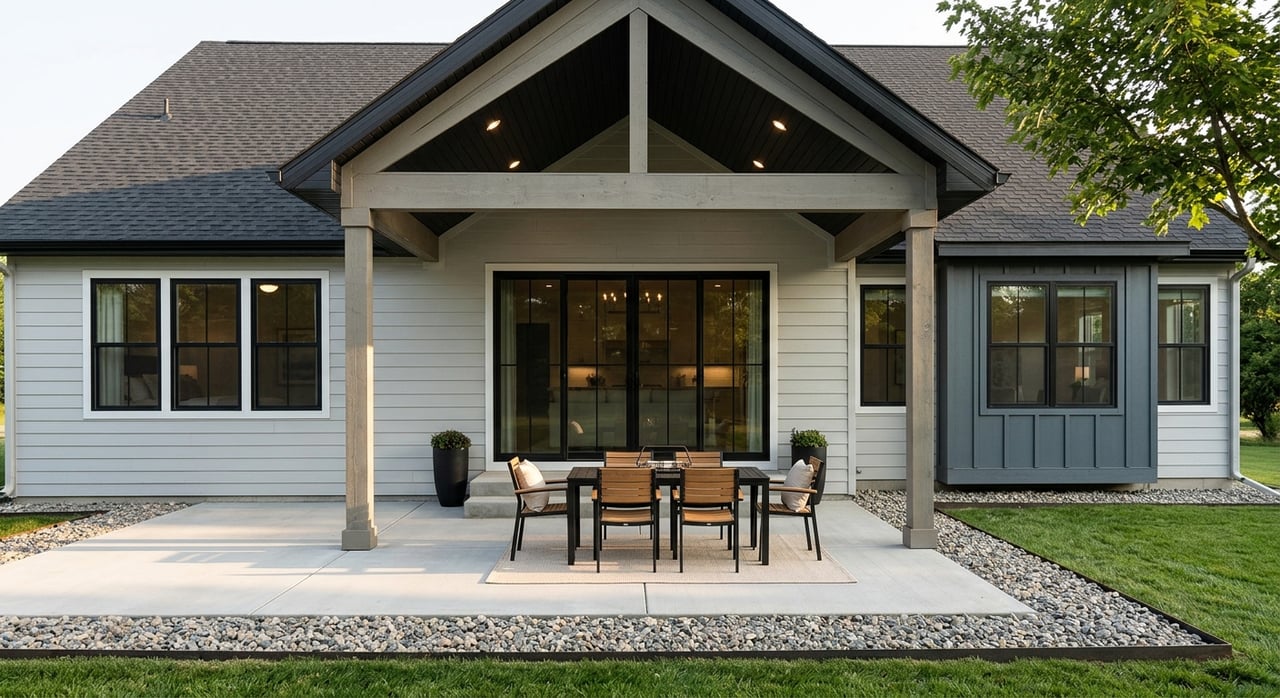
Looking for a place that feels polished, outdoorsy, and connected without giving up easy access to Boise? Eagle, Idaho stands out for exactly that mix. If you are weighing a move, planning a relocation, or simply trying to understand what daily life here really feels like, this guide will walk you through Eagle’s lifestyle, housing character, recreation, and downtown vibe so you can decide whether it fits your goals. Let’s dive in.
Eagle is a growing Boise-area suburb with an estimated 33,451 residents in 2024, and it continues to attract buyers who want space, recreation, and a more residential setting. According to the U.S. Census Bureau’s Eagle quick facts, the city has a high 84.1% owner-occupied housing rate, a median owner-occupied home value of $772,900, and a median household income of $122,894.
Those numbers help explain Eagle’s overall feel. It reads as an established, primarily owner-occupied community with an upscale suburban profile rather than a dense urban environment. If you want a place where homes, outdoor access, and neighborhood identity play a big role in daily life, Eagle often lands high on the list.
One of Eagle’s biggest lifestyle advantages is its compact downtown core. The city notes that downtown offers free on-street and off-street parking, and Heritage Park sits next to public parking that makes it easy to stop, park, and explore the area on foot.
The Eagle Chamber of Commerce describes downtown as a walkable pedestrian environment with boutiques, eateries, and coffeehouses. That is an important part of Eagle’s identity. You get a small-town style downtown experience, while still being about eight miles from downtown Boise.
If you are trying to picture your weekends, downtown Eagle gives you a clear starting point. It is the kind of place where you can grab coffee, meet friends for lunch, browse local shops, and stay for a seasonal event without needing a long plan or a full day drive.
Heritage Park is one of the community anchors in the downtown area. The city says the Eagle Saturday Market has operated since 2002 and runs on Saturdays from May through September.
That regular event schedule matters because it helps shape the rhythm of the city. The Heritage Park gazebo also hosts summer evening events, which adds to the social, neighborhood-centered feel in the heart of Eagle. If you value places where community events are part of everyday life, this is one of Eagle’s strongest lifestyle features.
For many buyers, Eagle’s biggest appeal is how easy it is to spend time outside. Trails, parks, golf, and river access are not occasional perks here. They are part of how many residents experience the city day to day.
The city’s Pathways and Trails Plan centers on a dedicated non-motorized network, and Eagle has multiple public access points that support that system. Pamela Baker Park serves as the southernmost entry to the Eagle Greenbelt, the Mace Parking Lot includes 25 dedicated off-highway stalls with ADA access, and the Eagle Road Pedestrian and Bicycle Bridge creates a dedicated off-highway crossing to greenbelt trails.
If you enjoy walking, biking, or simply having outdoor routes close to home, Eagle offers a strong recreation corridor. The city also notes that leashed dogs are allowed on greenbelt pathways and many trails, which adds convenience for pet owners.
This kind of access can shape your routine in a practical way. Instead of planning outdoor time as a special trip, you may find it easier to build it into a normal weekday or weekend.
Another major lifestyle draw is Eagle Island State Park. The Idaho Department of Parks and Recreation describes it as a 545-acre park west of Boise with a swimming beach, picnic areas, more than five miles of trails, and a 19-hole disc golf course.
The park also allows only non-motorized boats, which supports a quieter recreation setting. If your ideal weekend includes hiking, dog walking, a beach stop, or time outdoors with friends and family, Eagle Island adds a lot to Eagle’s appeal.
Golf is also a visible part of Eagle’s identity. Eagle Hills Golf Course describes itself as a public 18-hole championship course with an event center and casual dining restaurant, and BanBury Golf Course identifies itself as a public 6,908-yard par 71 course.
For some buyers, this is more than a nice extra. It is part of the local rhythm. If you picture free time around tee times, outdoor socializing, and recreational amenities close to home, Eagle checks that box well.
The city is also planning larger recreation investments. According to the city, Eagle City Athletic Park is planned as an approximately 139-acre multi-use complex with ballfields, pickleball and tennis courts, trails, and trailhead access into nearby BLM land.
That tells you something important about Eagle’s long-term direction. Recreation and open space are not afterthoughts here. They are part of how the city is planning future growth.
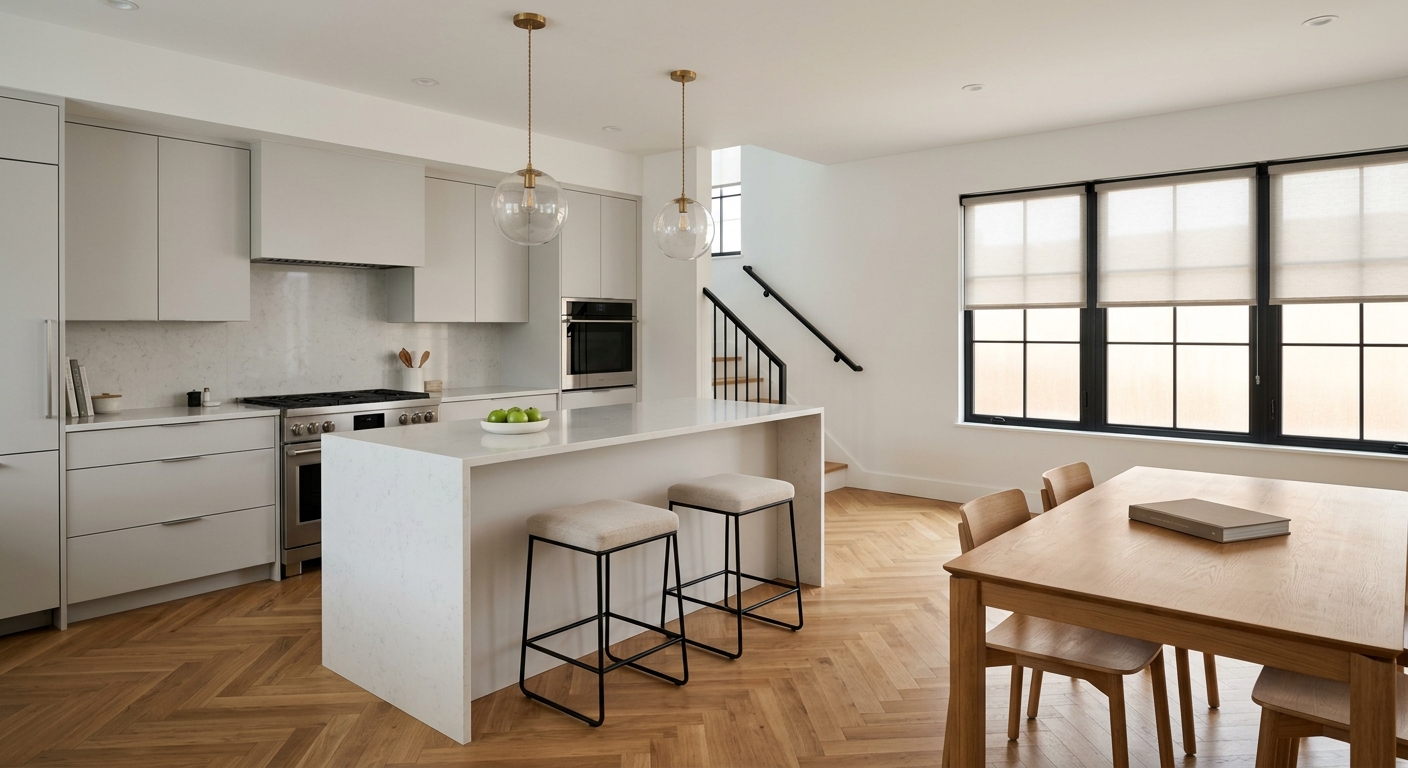
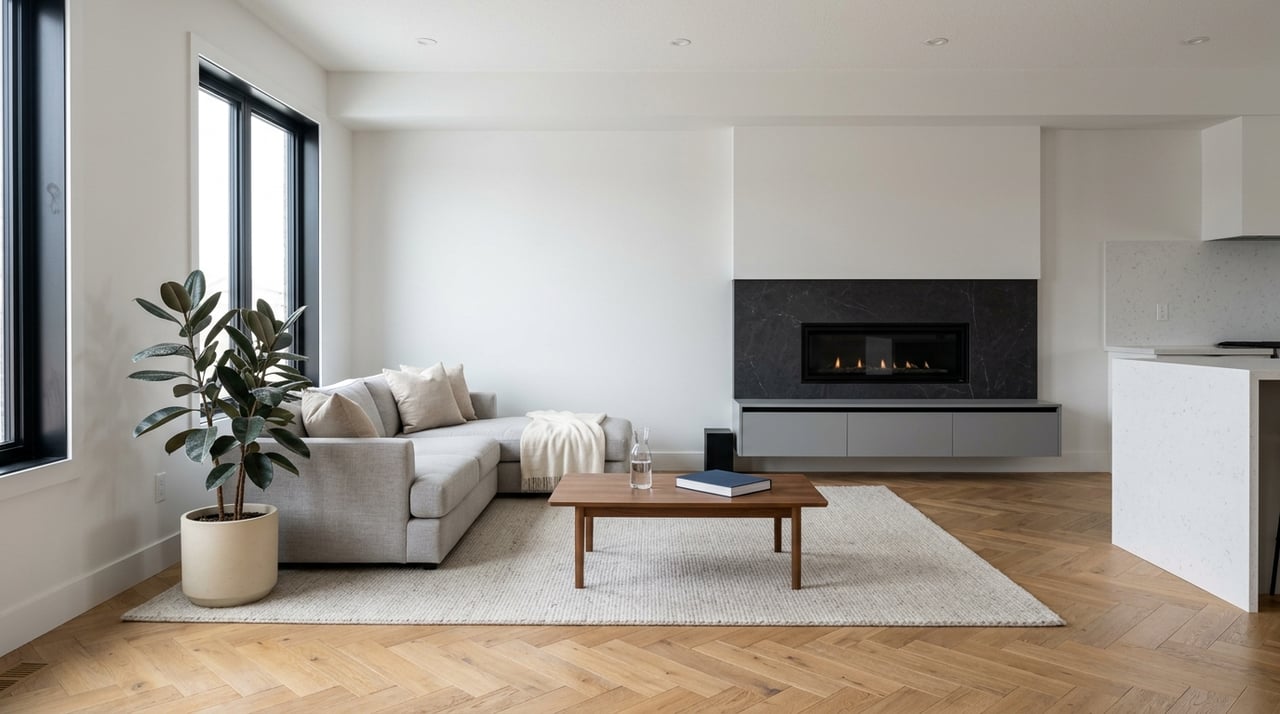
Eagle’s housing character is one of the reasons it appeals to move-up buyers, relocators, and anyone searching for a more established suburban setting. At a high level, the city offers a mix of upscale owner-occupied neighborhoods, newer planned communities, and a downtown area that is gradually becoming more mixed-use.
The city’s comprehensive plan shows that housing near downtown is expected to include options such as bungalow courts, row houses, live-work units, multifamily housing, and lofts or condominiums in vertical mixed-use buildings. In other nearby residential areas, the plan describes single-family homes, row houses, duplexes, and four-plexes, with higher-density infill areas near downtown supporting lofts, townhouses, and apartments.
If you want to be closer to shops, restaurants, and events, Eagle’s evolving downtown housing mix may be worth watching. The city’s planning documents show a clear intention to support a broader range of attached and mixed-use housing types in and around the core.
That can create more options for buyers who want lower-maintenance living or easier access to the center of town. It also adds flexibility to a market that many people still associate primarily with detached suburban homes.
At the larger-scale edge of town, Eagle includes major planned development areas too. The city describes Spring Valley as a 6,005-acre planned development in the Eagle Foothills with up to 7,160 dwelling units.
That range matters if you are comparing lifestyles within Eagle itself. Some areas lean more toward downtown access and mixed-use convenience, while others lean into larger community planning, foothills surroundings, and a more expansive suburban feel.
Eagle tends to appeal to buyers who want an upscale suburban environment with strong outdoor access and a refined but approachable community feel. Based on the city’s housing pattern, recreation network, and Census profile, it can be a strong fit if you are looking for:
Of course, the right fit depends on your budget, commute, home style preferences, and how you want your day-to-day life to feel. That is where local guidance can make the search much easier.
The best way to describe Eagle is active, comfortable, and neighborhood-centered. You can spend time downtown, use the trail system, visit Eagle Island State Park, and still stay closely connected to the larger Boise metro.
That balance is what draws many buyers in. Eagle offers a community feel with polished amenities, but it still gives you room to spread out and build a lifestyle around home, recreation, and convenience.
If you are considering a move to Eagle or anywhere in the Treasure Valley, working with a local team can help you narrow down the right neighborhood, compare housing options, and understand how each part of the market lines up with your goals. When you are ready for personalized guidance, connect with Boise Idaho Real Estate Agency for expert help buying, selling, or relocating in the area.
Stay up to date on the latest real estate trends.
We pride ourselves in providing personalized solutions that bring our clients closer to their dream properties and enhance their long-term wealth.