How to List Your Home in Eagle Idaho With Confidence
April 16, 2026
April 16, 2026
If you are getting ready to sell your Eagle home, it is easy to wonder how much prep really matters. In a market where buyers can compare homes online in minutes and where pricing is not always forgiving, the way you prepare before launch can affect both your timeline and your bottom line. The good news is that a smart plan can help you avoid surprises, protect your equity, and make a stronger first impression. Let’s dive in.
Eagle is a high-value housing market with a large share of owner-occupied homes. According to the U.S. Census QuickFacts for Eagle, the city had 33,451 residents as of July 1, 2024, an 85.4% owner-occupied housing rate, and a median owner-occupied home value of $711,500. In a market like this, details matter because buyers often compare presentation, condition, and pricing very closely.
Recent housing data also points to a more selective market, not a rush-to-buy environment. Redfin’s Eagle housing market report shows a February 2026 median sale price of $995,000, median days on market of 121, a 98.9% sale-to-list ratio, and 27.2% of homes with price drops. At the county level, Boise Regional REALTORS® market data cited in the research shows 2.2 months of inventory in Ada County and 52 days on market countywide in December 2025, which reinforces the same message: your home needs to be launch-ready.
Before you think about photos or open houses, start with the home itself. Idaho sellers of residential real property are required to complete a property condition disclosure form under the Idaho Property Condition Disclosure Act. The form covers a wide range of topics, including roof condition and age, plumbing, heating, electrical systems, drainage, basement water, foundation issues, title matters, pest infestations, unpermitted additions, and other known problems.
That is one reason a pre-listing inspection can be so helpful. It gives you a chance to identify issues before a buyer does, which gives you more control over how to handle them. You may decide to repair an issue, disclose it clearly, or price the home with that condition in mind.
There is another Idaho-specific factor to know. The Idaho Division of Occupational and Professional Licenses enforcement page notes that home inspectors are not regulated by the state. That makes it especially important to choose an experienced inspector and use the report as a planning tool before your home hits the market.
For Eagle homeowners, disclosure details can be especially important if your property is near city boundaries or has had updates over time. The state disclosure form asks about annexation, city services, and unpermitted alterations, which can be relevant for additions, outbuildings, and other improvements. If you have made changes to the property, now is the time to gather records and confirm what you know.
Today, your first showing usually happens on a screen. The National Association of Realtors 2024 Profile of Home Buyers and Sellers found that 43% of buyers first looked for properties on the internet, 69% used a mobile device or tablet, 41% said photos were very useful, 39% valued detailed property information, and 31% appreciated floor plans. The same report says 51% of buyers found their home through online searches.
That means your listing needs more than a sign in the yard. Buyers are often deciding whether to schedule a showing based on photos, layout, and how clean and complete the listing feels online. If your home looks cluttered, dark, or unfinished in photos, you may lose interest before a buyer ever steps through the front door.
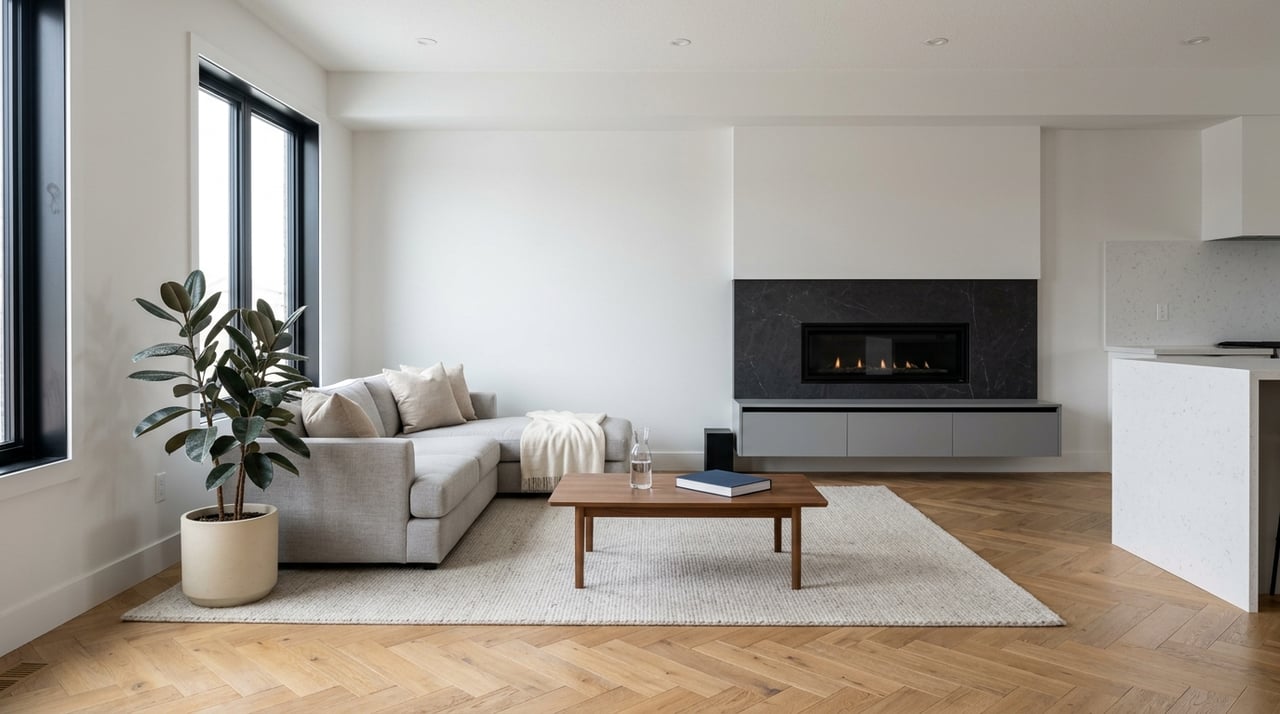
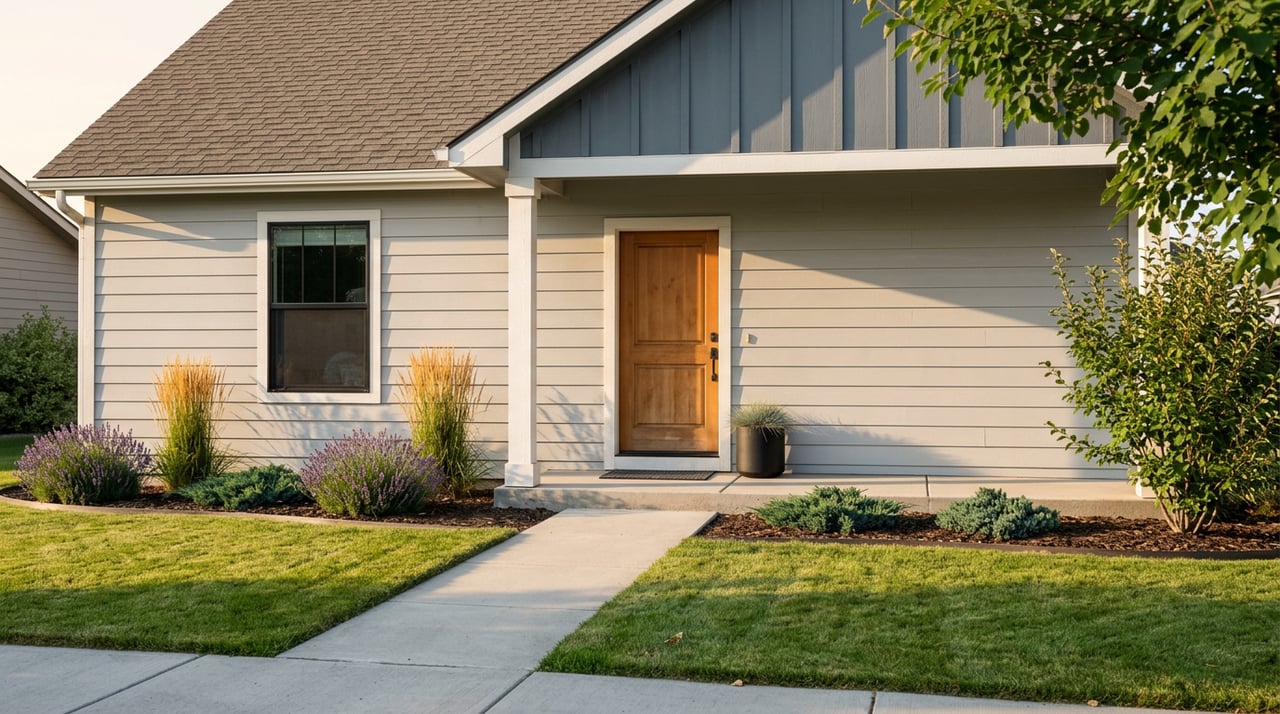
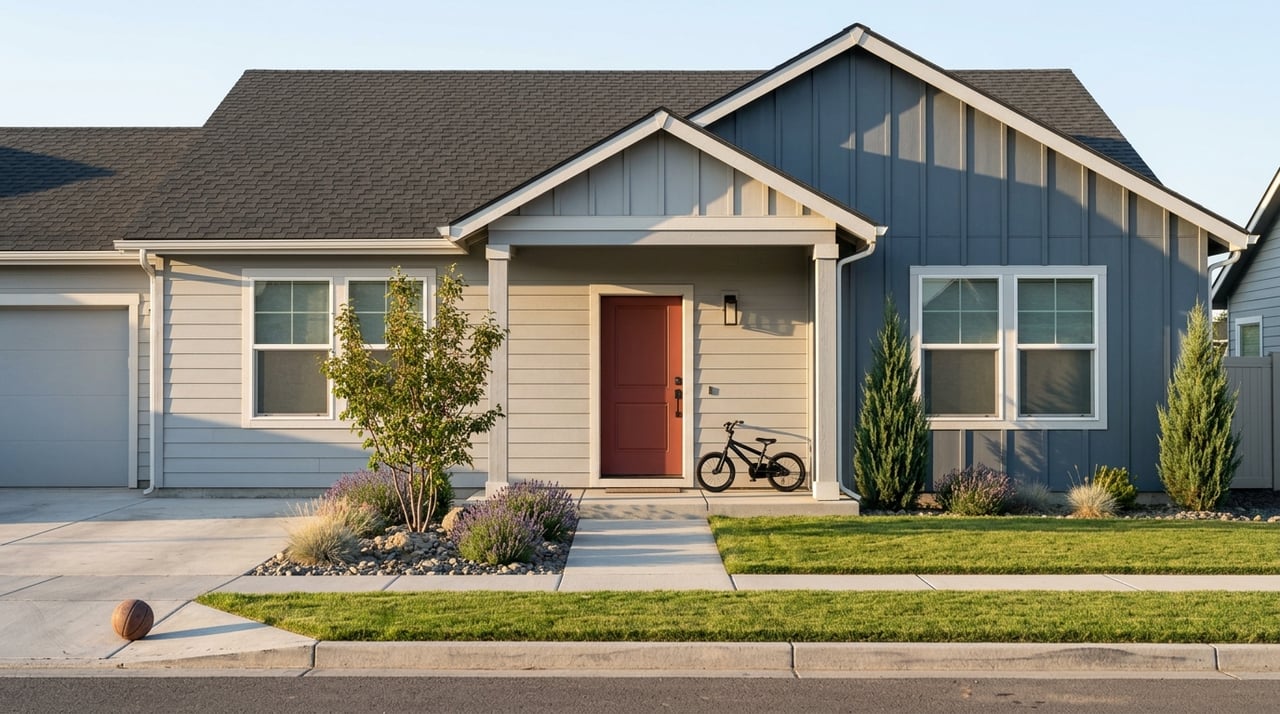
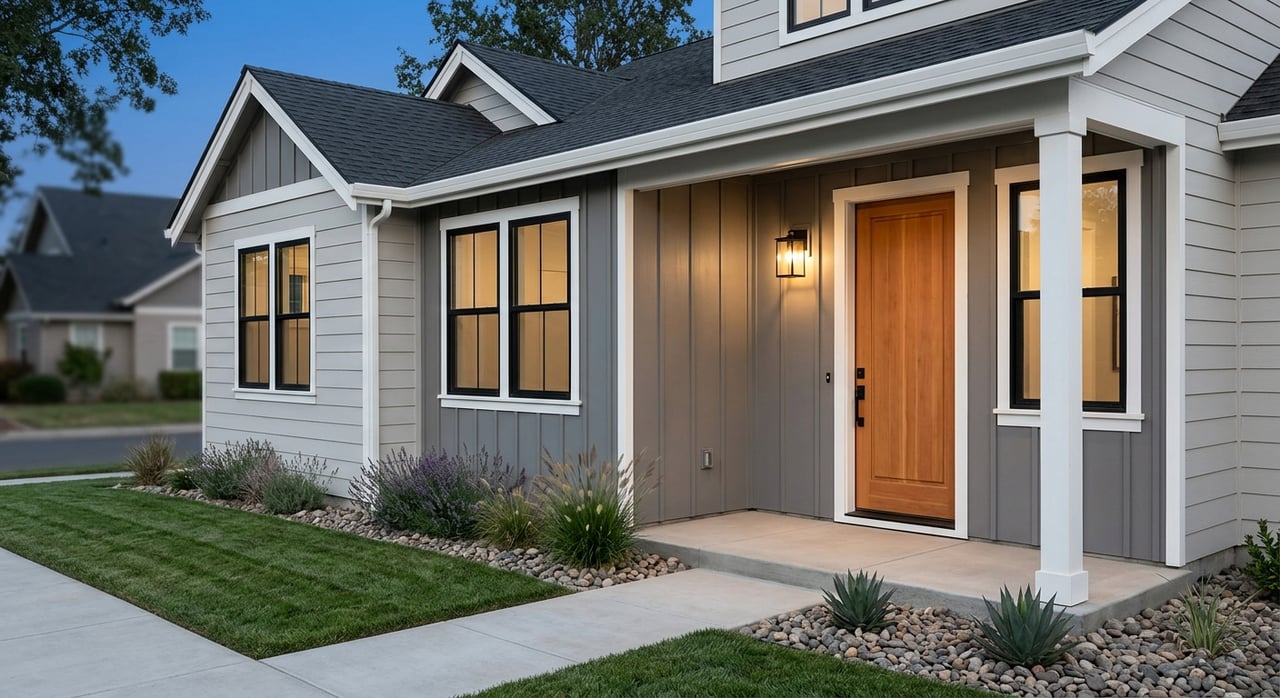
If you want a practical place to start, focus on the basics that have the biggest visual impact. The NAR 2025 staging report found that the most common seller prep recommendations were decluttering, deep cleaning, and improving curb appeal. Those are often the highest-value steps because they help your home feel more spacious, cared for, and move-in ready.
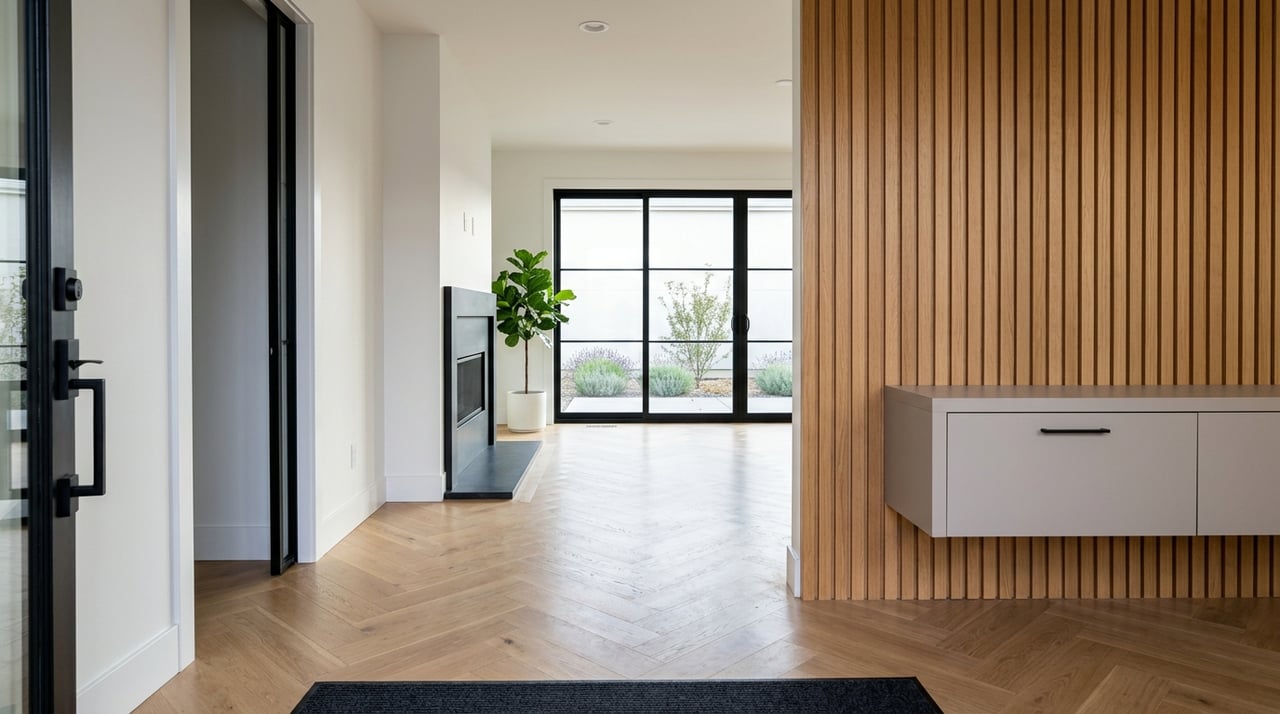
The same report also found that 29% of agents said staging led to a 1% to 10% increase in the dollar value offered, while 49% said staging reduced time on market. Buyers’ agents rated photos, physical staging, videos, and virtual tours as important parts of the home search process. Even if you do not stage every room, thoughtful preparation can make your listing more competitive.
You do not need to do everything at once. According to the same NAR staging data, the rooms buyers care about most are the living room, primary bedroom, and kitchen. Those spaces usually deserve the most attention first because they shape a buyer’s overall impression of the home.
A simple prep checklist can go a long way:
If you are deciding where to spend time and money, start there.
One of the biggest mistakes sellers make is assuming the market will do all the work. In Eagle, current data suggests buyers are still active, but they are also selective. With a 98.9% sale-to-list ratio and 27.2% of homes seeing price drops, overpricing can cost you time and momentum.
A strong pricing strategy should reflect recent comparable sales, your home’s condition, and what buyers are seeing among current active listings. When a home launches at the right price with polished presentation, you are more likely to attract serious interest early. That matters because the first days on market often shape how buyers perceive your listing.
Selling a home is not just about putting it in the MLS. The most effective launches are coordinated, with repairs done, staging complete, photos scheduled, and pricing finalized before the listing goes live. In a market where some homes take longer to go pending, preparation helps you avoid scrambling after buyers start noticing flaws.
This matters because sellers consistently say they want help with marketing, pricing, and timing. In the NAR seller report, the top needs were marketing the home, pricing it competitively, and selling within a specific timeframe. The same report also found that sellers most often chose an agent based on reputation, trustworthiness, and honesty.
A well-prepared launch usually includes several pieces working together:
According to NAR, the most common marketing channels used by agents included MLS listings, yard signs, open houses, agent websites, and company websites. That supports a simple truth: your launch should feel like a complete marketing plan, not a single upload.
If you are not sure how to organize the process, think of it in phases.
Start gathering maintenance records, receipts, and information about updates. Schedule a walkthrough with your agent, identify likely repair items, and decide whether a pre-listing inspection makes sense for your situation.
Complete agreed-upon repairs, begin decluttering, and make a plan for staging or light styling. This is also a good time to review disclosure items carefully, especially if your home has additions, outbuildings, or system upgrades.
Deep clean the property, finish curb appeal touch-ups, and prepare for photos. Make sure the home is show-ready and that pricing and marketing materials are finalized before launch.
Preparing to list your Eagle Idaho home is really about reducing friction. When you identify condition issues early, disclose carefully, present the home well, and launch with a smart marketing plan, you give yourself a better chance at a smoother sale.
In a premium market like Eagle, buyers notice the details. If you want guidance on timing, pricing, staging, and marketing, Boise Idaho Real Estate Agency can help you create a plan that fits your goals and helps your home stand out.
Stay up to date on the latest real estate trends.
We pride ourselves in providing personalized solutions that bring our clients closer to their dream properties and enhance their long-term wealth.